Rethinking Learning Spaces:
Co-Teaching With Industry to Embed Māori Knowledge in Digital Futures
Conference: Torrens University Australia Learning & Teaching Symposium 2026
Presentation Type: Present online.
February 2 - 5, 2025, Torrens University Australia.
Paper Presentation type > PechaKucha presentation.
Abstract
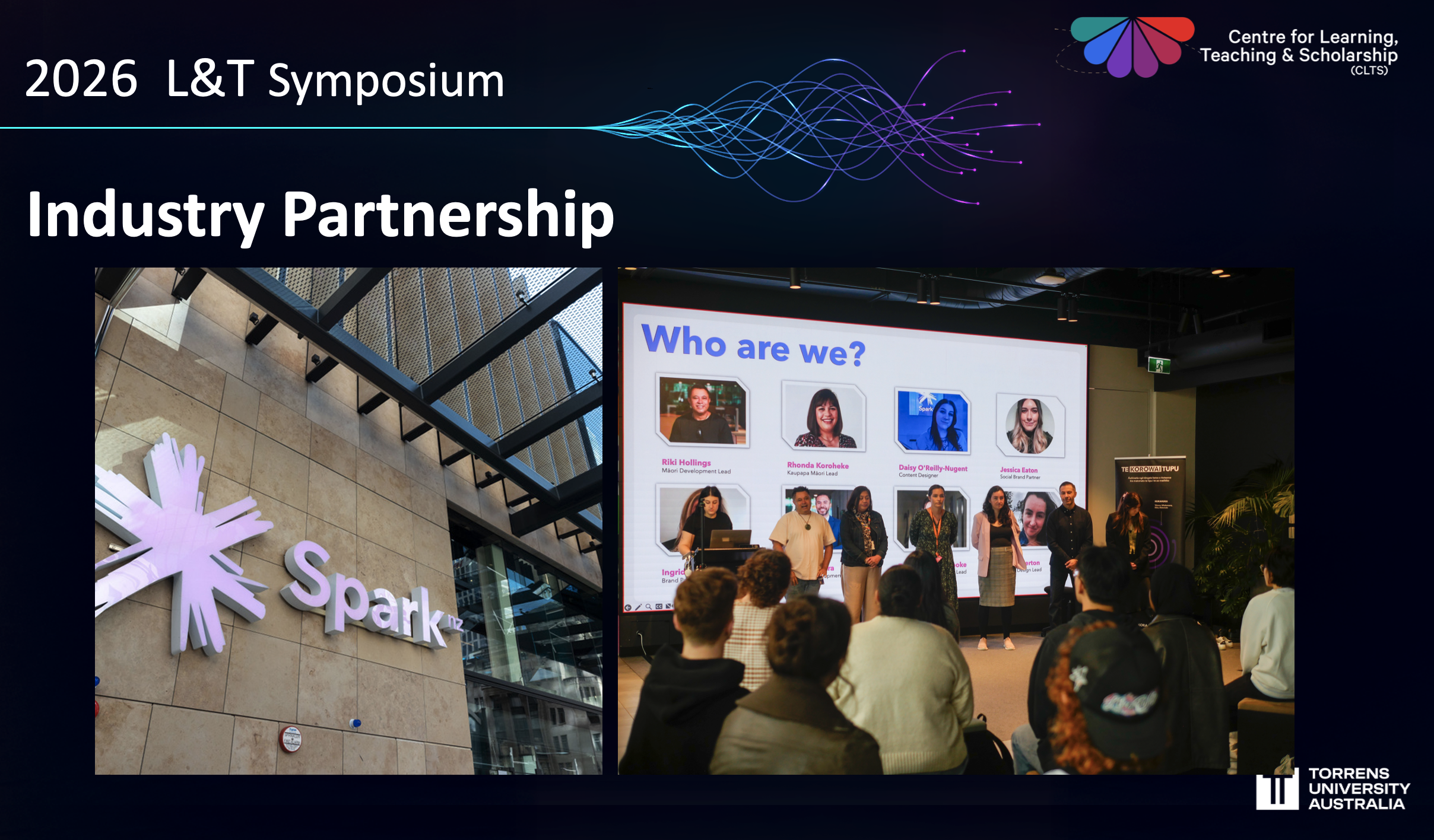
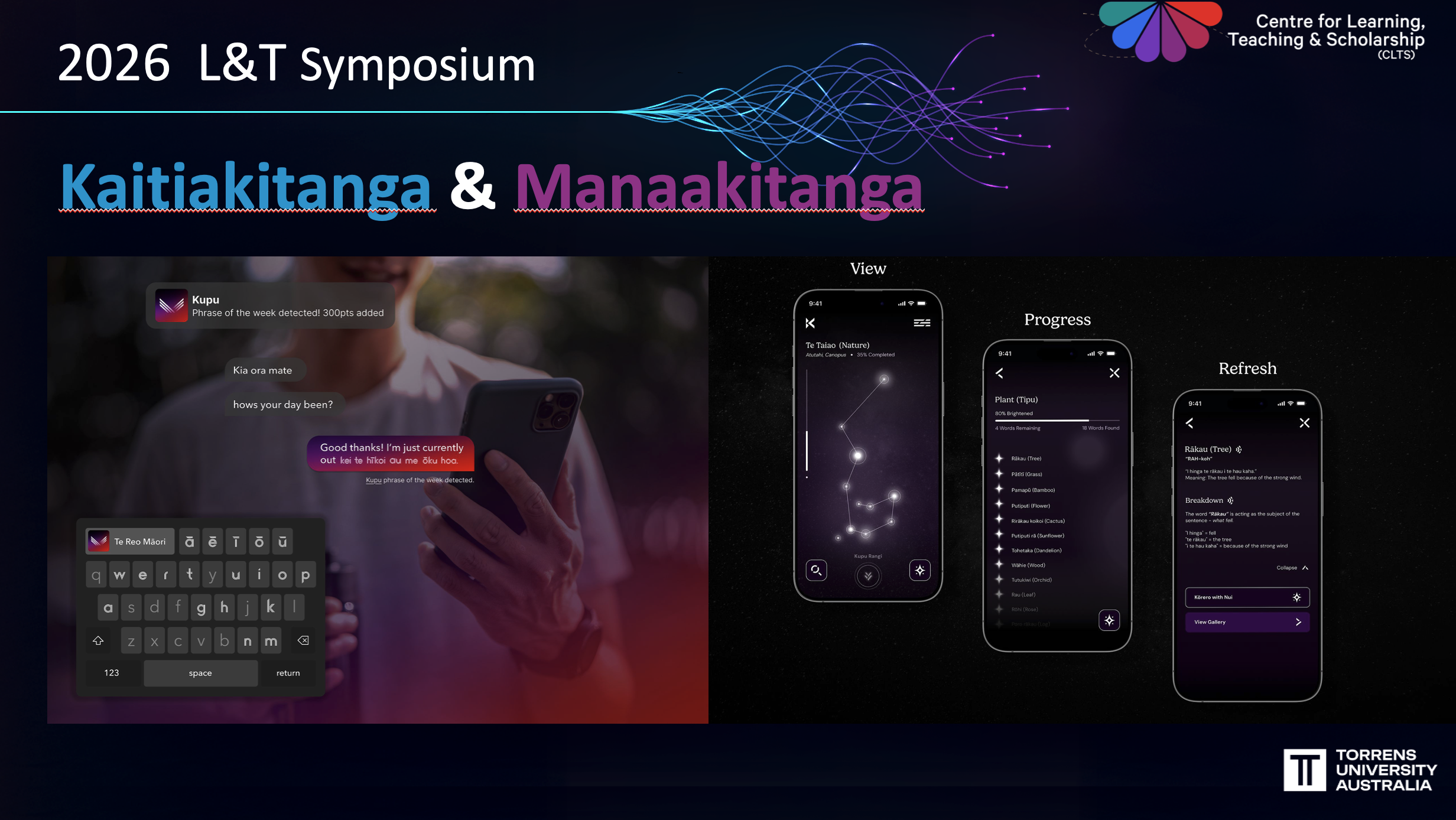
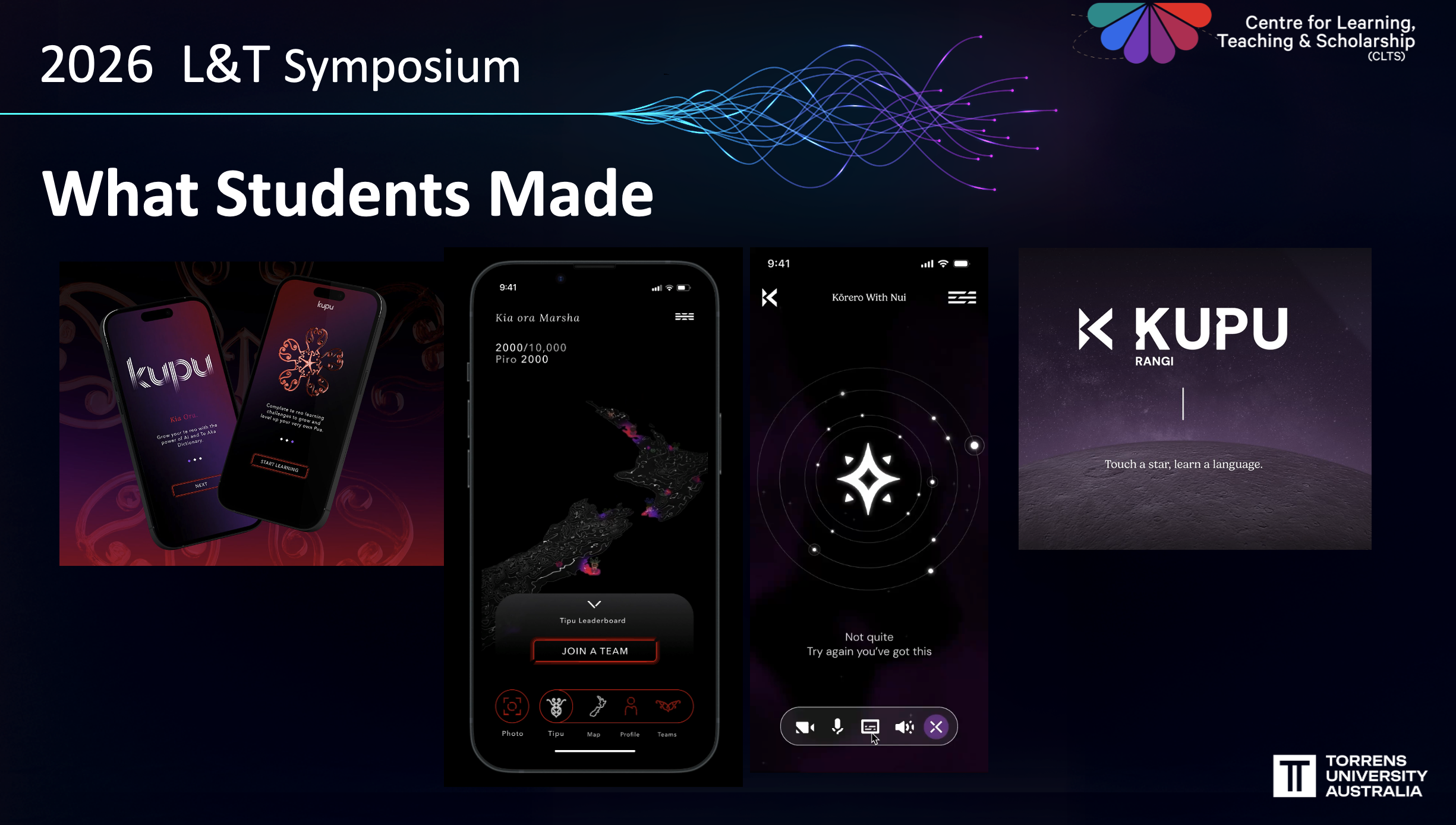
This presentation shares a practice-led project developed within a Year 3 undergraduate paper, Interdisciplinary Group Project, where students engage with a live brief from an industry partner. Working with Spark New Zealand, the project explored how co-teaching and co-learning strategies can embed Te Ao Māori values into digital design education. Spark’s early development of KUPU, an AI-powered language revitalisation app that uses image recognition to support Te Reo Māori, provided the foundation for a series of speculative, student-led design responses.
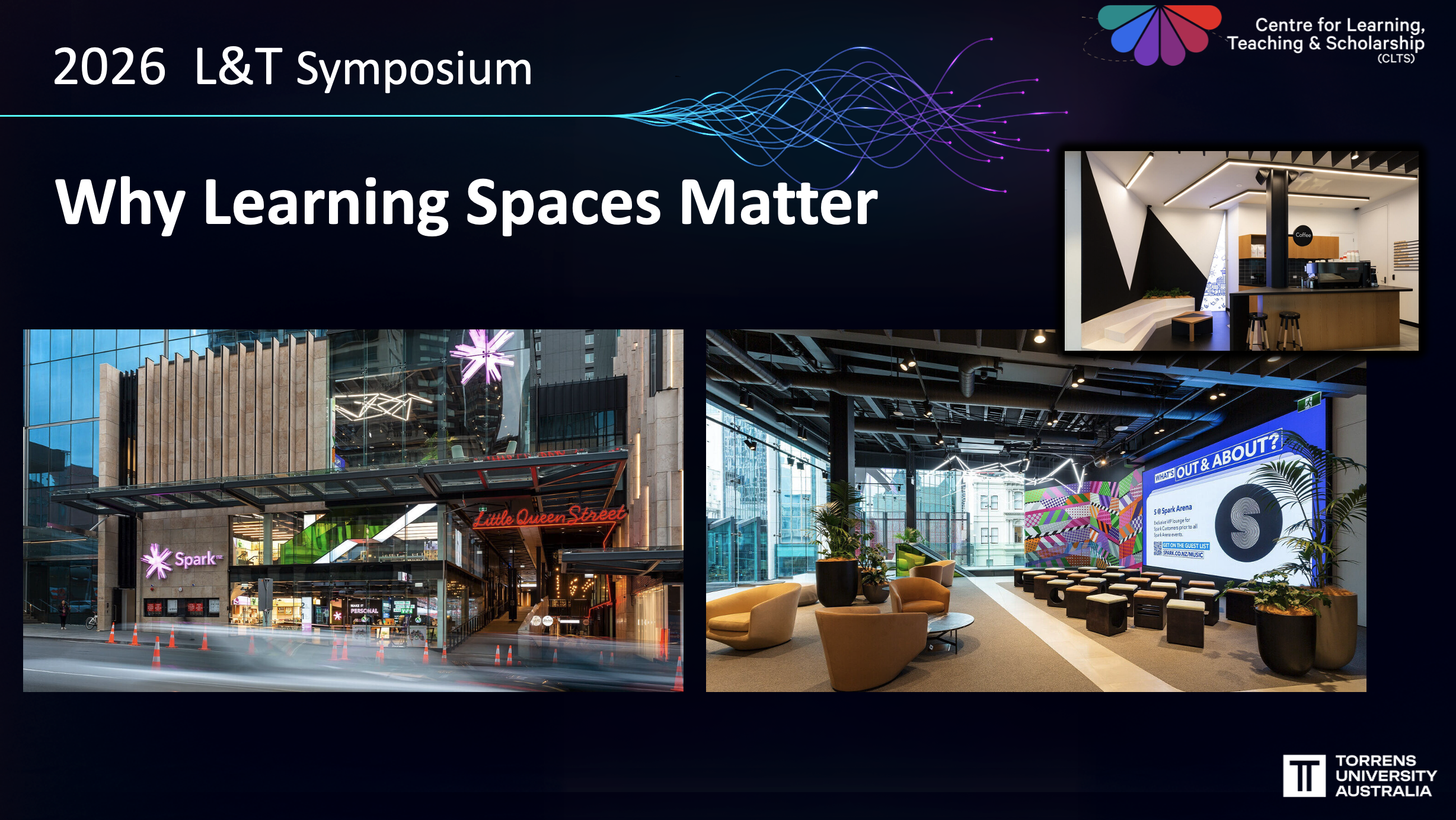
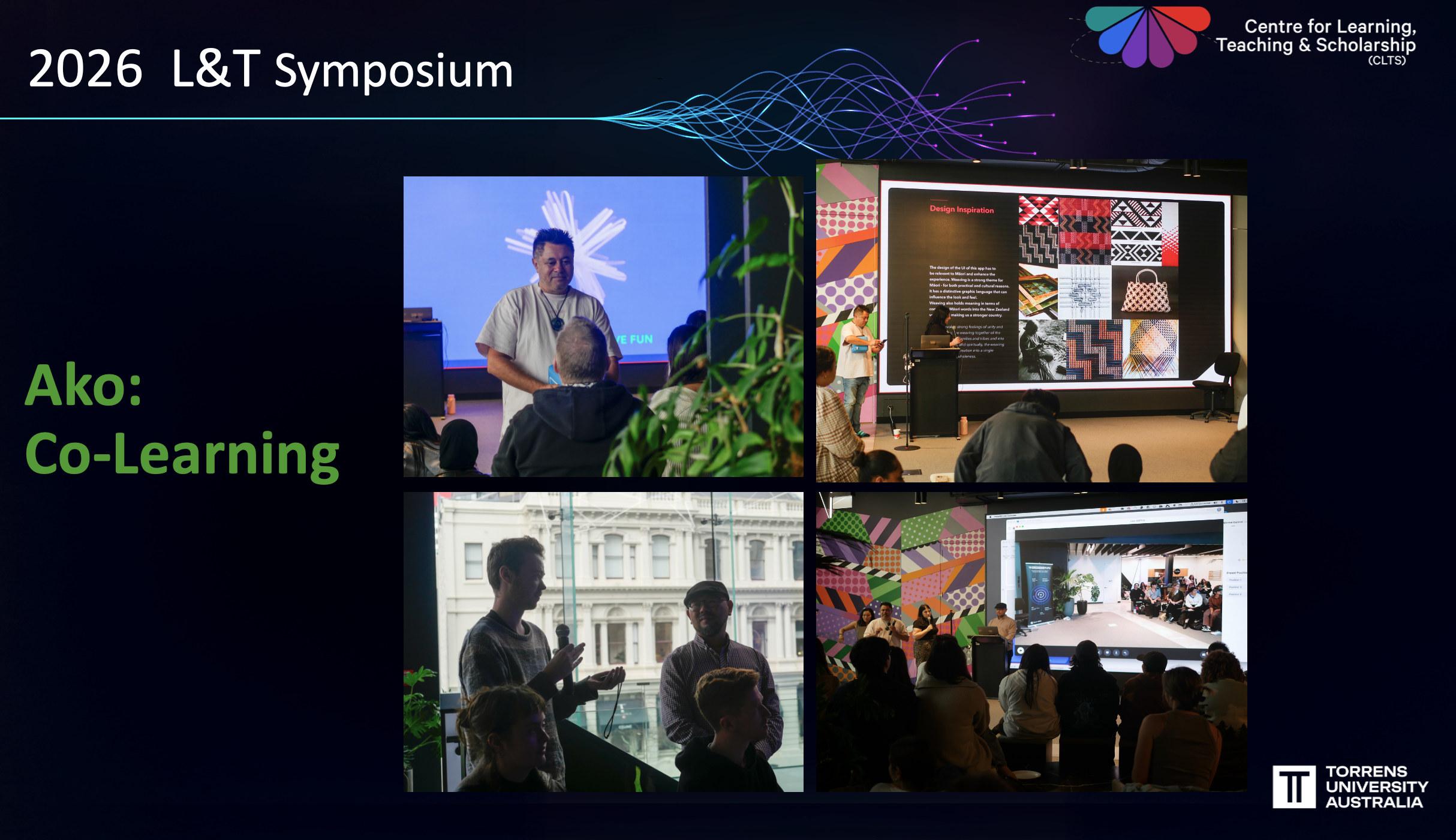
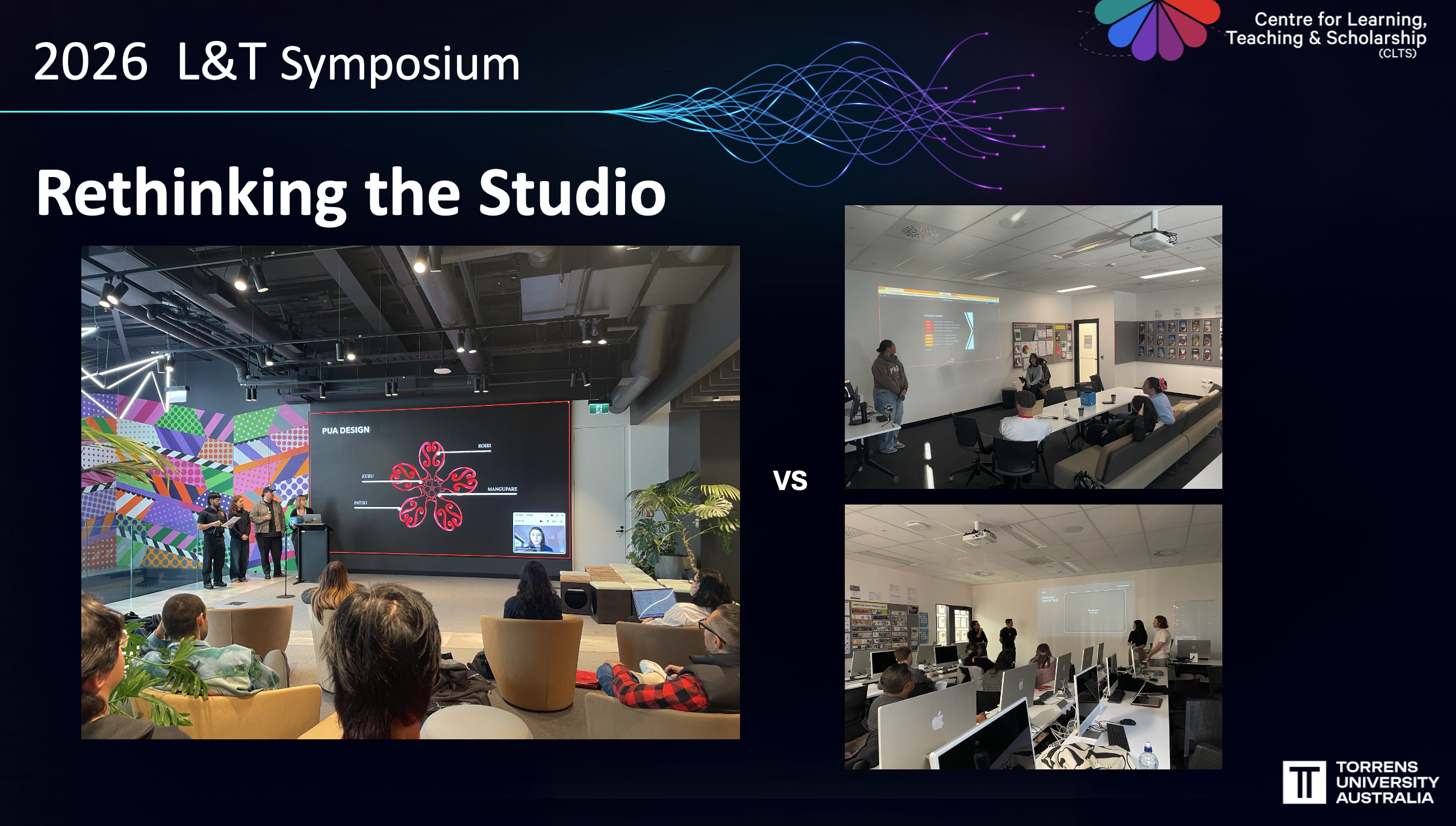
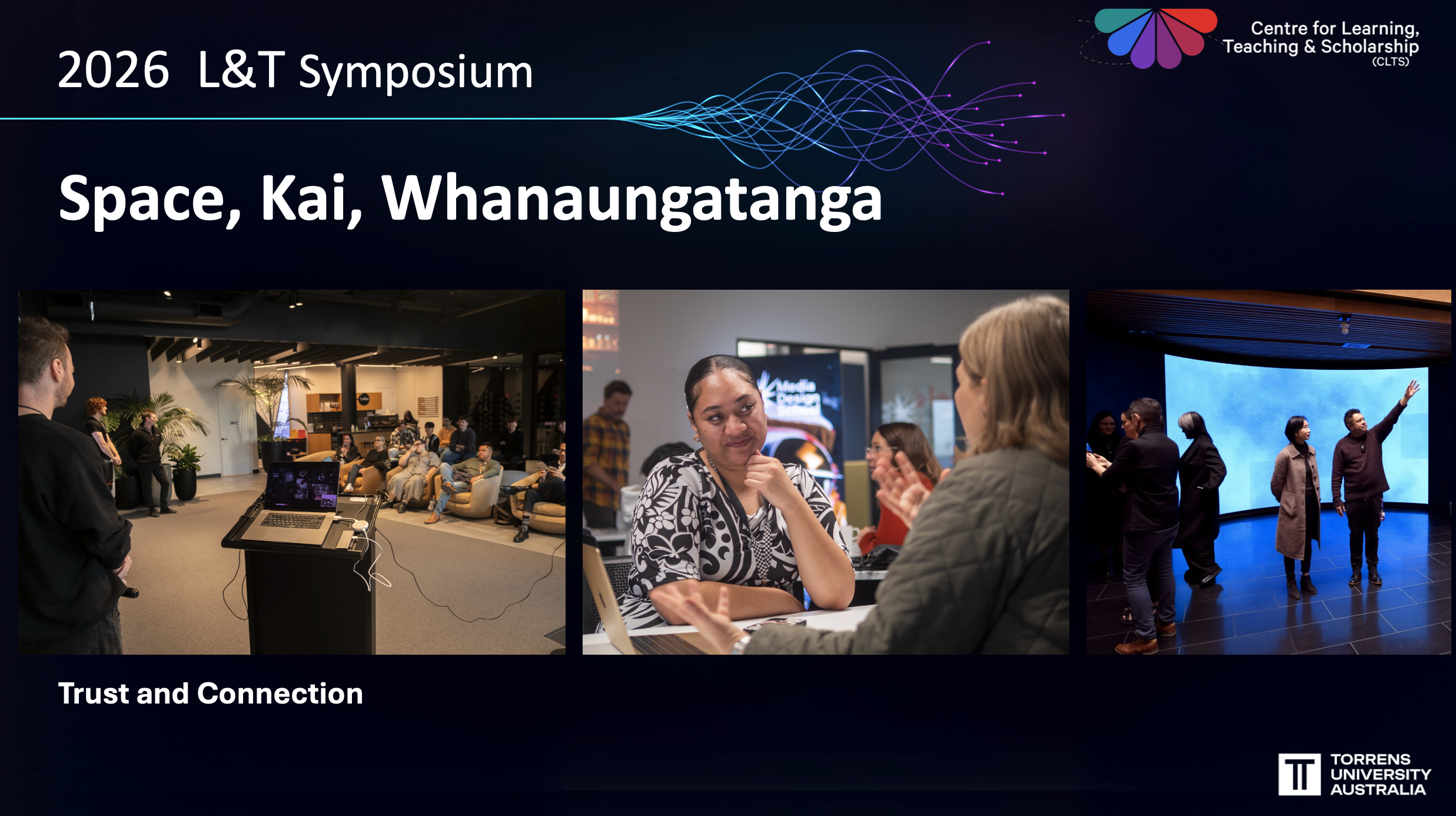
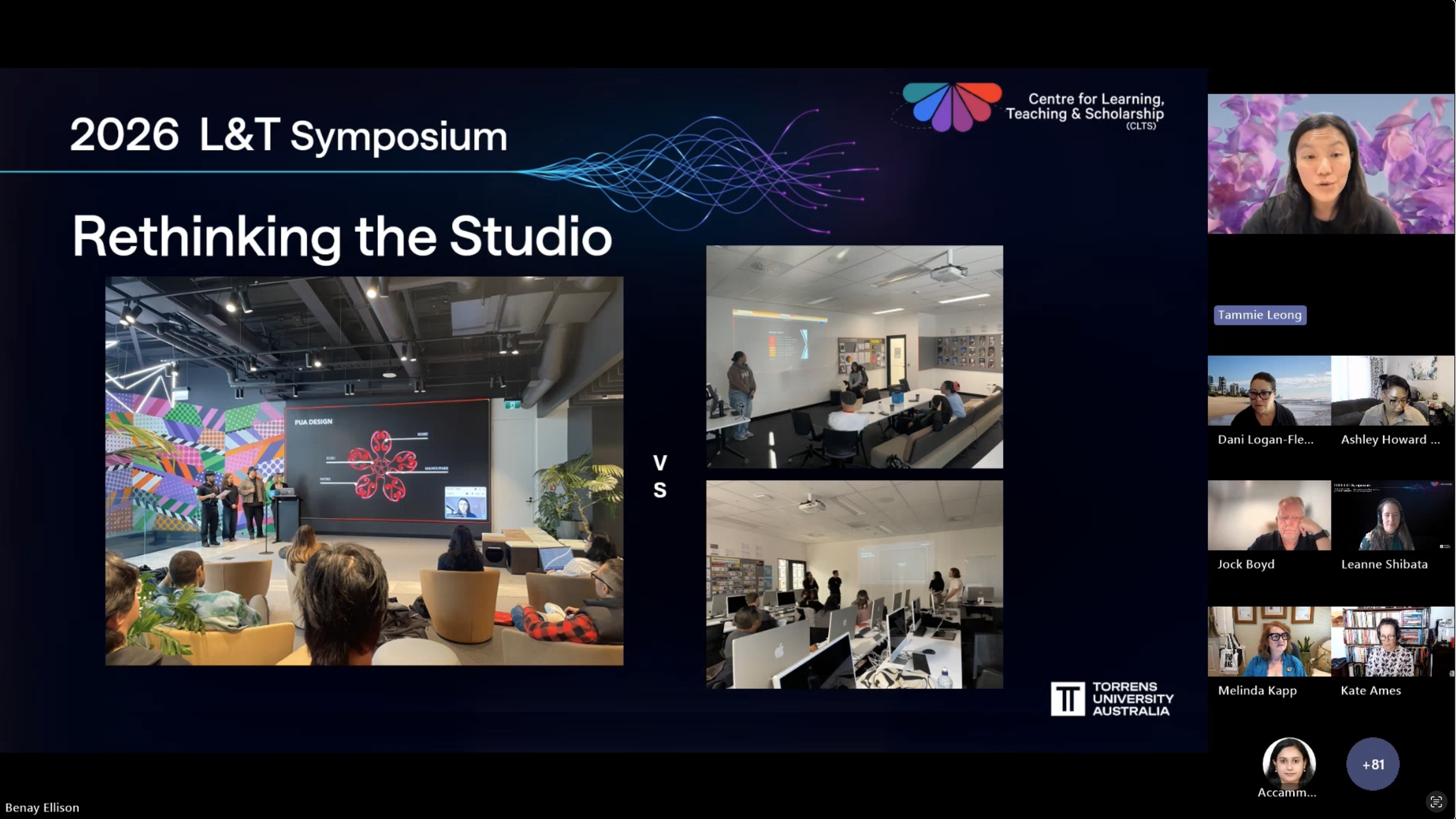
Guided by kaupapa Māori principles—ako (reciprocal learning), kaitiakitanga (guardianship), and manaakitanga (care)—the teaching approach reimagined the traditional design studio as a collaborative, relational, and culturally grounded learning environment. The project also drew on Te Tiriti o Waitangi principles of partnership, protection, and participation, ensuring that Māori values were not simply referenced but actively practised. Alternative teaching spaces, the use of kai, and whanaungatanga-based activities were intentionally incorporated to support student wellbeing, strengthen trust, and foster a sense of shared responsibility.
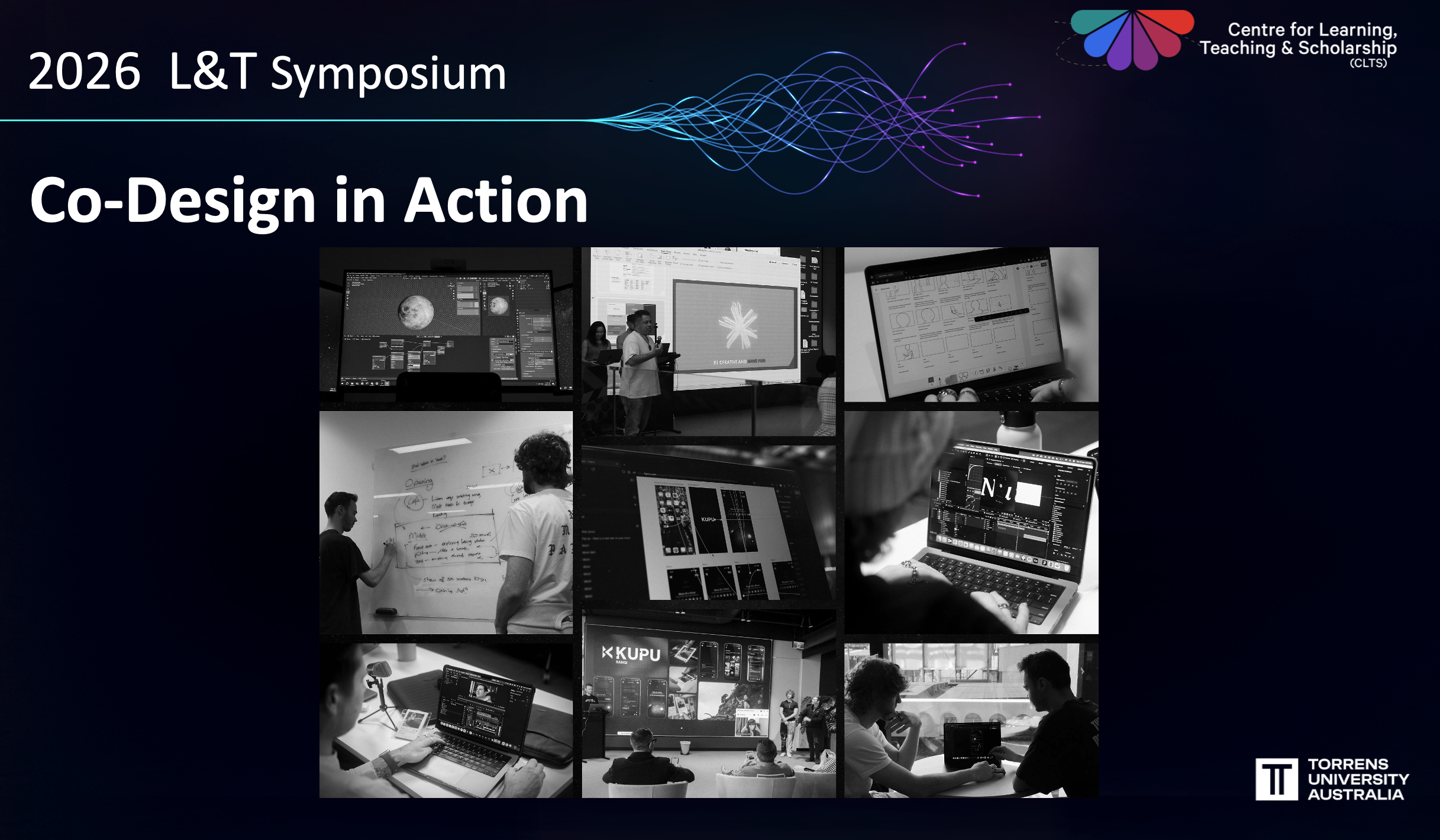
The presentation will showcase how students wove together mātauranga Māori, AI-powered tools, gamification, and co-design methods to envision new directions for KUPU and the future of indigenous language technologies. Their prototypes highlight what becomes possible when design education is grounded in culturally responsive practices and when industry collaboration extends beyond consultation into genuine co-learning. This talk advocates for rethinking studio teaching, decolonising design education, and designing tech-based learning experiences that honour Māori knowledge systems. It demonstrates how interdisciplinary partnerships can create meaningful, ethical, and innovative outcomes shaped by tikanga and responsive to Aotearoa’s bicultural context.